Introduction
As a landowner, handling overgrown brush can feel like an uphill struggle. Whether you're trying to maintain the aesthetic of your building or prepare it for future growths, regulating unwanted vegetation is vital. Get in forestry mulching-- a modern-day option that has gained traction amongst landowners seeking efficient, effective brush control. This overview will certainly delve deeply right into forestry mulching for brush control, exploring its advantages, strategies, and just how it compares to various other approaches like bush hogging and traditional land clearing.
What is Forestry Mulching?
Forestry mulching is a land administration technique that utilizes specialized machinery to clear brush, trees, and disordered plant life. Unlike standard techniques that may entail cutting and eliminating debris, forestry mulching grinds the material into mulch on-site. This approach not just conserves time but also enhances the dirt as the compost decomposes.
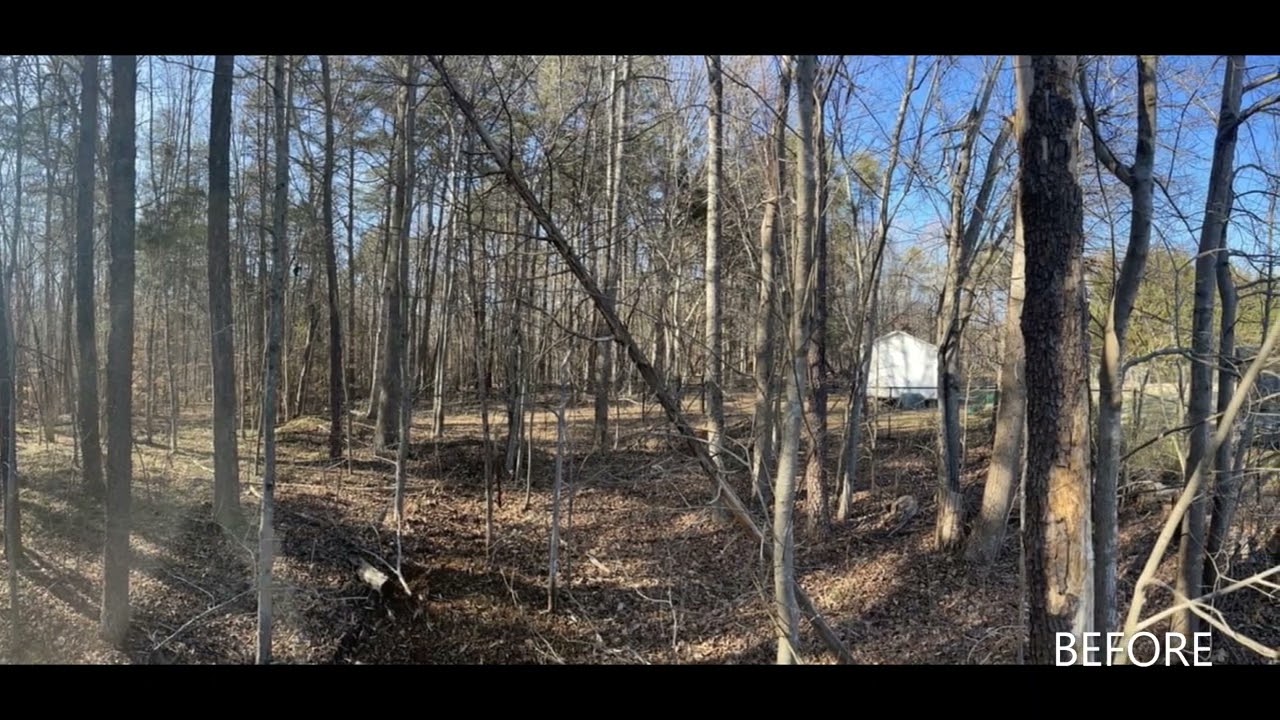
How Does Forestry Mulching Work?
The procedure involves using durable devices such as a skid steer or excavator fitted with a revolving drum furnished with sharp blades. As the machine relocates via the underbrush, it effectively reduces undesirable plants to mulch, which can after that be left on the ground to break down naturally.
Benefits of Forestry Mulching
- Environmentally Friendly: The mulch developed from forestry mulching improves soil top quality while preventing erosion. Cost-Effective: By removing the requirement for several passes and particles removal, landowners conserve money. Time Effective: Full brush control can be attained in a portion of the time compared to standard methods. Versatile Applications: Ideal for numerous surfaces and sorts of vegetation.
Comparing Forestry Mulching with Bush Hogging
While both forestry mulching and bush hogging aim to clear unwanted plants, their techniques differ significantly.
What is Bush Hogging?
Bush hogging entails utilizing a rotating cutter attached to a tractor to reduce brush and lawn. This technique is frequently less efficient versus thicker plant life and needs subsequent clean-up efforts.
Key Distinctions In between Forestry Mulching and Shrub Hogging
|Feature|Forestry Mulching|Bush Hogging|| ----------------------------|---------------------------------------------|---------------------------------------|| Equipment Used|Skid steer/excavator with mulcher accessory|Tractor with rotary cutter|| Outcome|Ground-up mulch left on-site|Cut-down debris needing elimination|| Dirt Effect|Improves topsoil with natural product|Minimal soil enrichment|| Time Required|Faster overall process|Slower due to cleanup requires|
When Must You Choose Forestry Mulching?
If you're taking care of thick underbrush, invasive varieties, or preparing land for construction or agriculture, forestry mulching may be your ideal choice. It's specifically valuable in areas where traditional approaches would certainly battle as a result of terrain or ecological concerns.
Ideal Problems for Forestry Mulching
- Overgrown fields Invasive plant species Areas needing website preparation for grading or leveling Locations where erosion control is essential
Equipment Required for Forestry Mulching
To efficiently carry out forestry mulching jobs, specific equipment is necessary:
Skid Steers
Skid guides are versatile machines that can maneuver in tight areas while efficiently handling brush cleaning jobs. With a powerful mulcher add-on, they can easily grind down undesirable vegetation.
Excavators
Excavators are perfect for bigger jobs requiring significant product removal. They provide extended reach and power when tackling bigger trees and dense underbrush.
Other Tools
Apart from skid guides and excavators, drivers might also need extra tools like chainsaws or hand tools for finer work or touch-ups post-mulching.
Grading and Leveling After Brush Control
Once you've cleared your land with forestry mulching, you may intend to think about grading and leveling solutions if you're preparing the area for construction or farming use.
Why Is Grading Important?
Grading makes sure correct drain and stops water pooling on your building. It's essential in developing an also surface all set for growth projects.
Techniques Used in Grading
Common grading strategies include:
Cutting: Reducing high spots. Filling: Raising reduced spots. Sloping: Producing inclines far from buildings to advertise drainage.Dirt Work Factors to consider Post-Mulch
After doing dirt work following your forestry mulching job, it's important to check soil high quality especially if you plan on growing plants or turf later on.
Soil Testing
Before planting anything new on your newly gotten rid of land, conduct soil examinations to determine nutrient degrees and pH balance. This details assists in making educated choices concerning soil changes necessary for ideal growth conditions.
Legal Factors to consider in Brush Control
Before participating in any type of type of land clearing or brush control activities like forestry mulching, it's important to comprehend local guidelines relating to land management practices.
Permits
In some regions, you could need licenses prior to removing large areas of land; check neighborhood zoning laws applicable especially within your locality.
FAQs concerning Forestry Mulching
What sorts of plants can be eliminated using forestry mulching?- Most types including small trees, bushes, weeds; nevertheless bigger trees might need additional equipment.
- Duration relies on size/extent of location; usually quicker than bush hogging as a result of decreased clean-up times.
- Yes! It adds raw material back right into the dirt while protecting against erosion.
- While possible with ideal tools training; hiring professionals usually causes better outcomes.
- You might desire follow-up work such as grading/leveling depending upon future use plans.
- Initial expenses might be more than other methods; nevertheless savings originated from effectiveness overall!
Conclusion
In verdict, forestry mulching for brush control provides an innovative service that weds performance with environmental responsibility-- making it an eye-catching choice for several landowners today! With correct understanding of its advantages compared against traditional bush hogging strategies paired together with considerations such as needed allowing processes-- landowners will certainly find themselves well-equipped moving forward right into effective administration methods tailored particularly toward their special buildings! For those seeking an optimum course ahead when taking on disordered lands-- forestry mulchers prepare at hand!
This detailed guide acts as your roadmap with comprehending just how effective markslandclearing.com brush control can lead not simply towards cleaner landscapes but much healthier communities too! So why wait? Get started today!